The Classical Charlotte Mason Swap list is for home schooling families to exchange living books and curricula that are used with the classical (Trivium) method or the Charlotte Mason method. This list does not support one particular way of implementing classical education, but rather is open to methods and materials as recommended in the many books and websites on the subject. Curricula, books, manipulatives, videos, and audios may be posted.
Homeschoolers report that it is sometimes more difficult to homeschool one child versus two or more children. Many parents report that it is easy to place too much pressure on a single child, as the child is the sole focus of the parent’s day. Clashes may also arise between a parent and a single homeschooler as they are together for a large part of the day. Both parents and single homeschooled children report that they sometimes feel smothered by each other. Some children also feel lonely.
Ignatius Press is a Catholic publisher with a large selection of children's books. They carry Bethlehem Books, Visions books, Magnificat children's books, and coloring books.
TheHomeSchoolMom Planner is a comprehensive organizer for appointments, school assignments, lesson planning, record keeping, and family menu planning. It is free for personal use and can be viewed and printed with the free Adobe Acrobat Reader.
Sometimes, raising and homeschooling 8 kids (ages 21 to 2) seems totally manageable--even easy--especially when compared to other, larger families made up primarily of younger kids. At other times, homeschooling our brood proves to be the hardest thing ever.
Home Schooling Achievement provides a concise look at home school achievement test score data, followed by a more in depth comparison of student's scores with parent education levels, money spent on home school curriculum, government regulation, and race, and gender. In all categories, home school students' successes defy the standard predictors. The final chart examines activities and community involvement and resoundingly explodes the myth that home schooled children lack adequate socialization opportunities.
When it comes to the books we read, the neighbourhood we live in, the religion or philosophy we practise, the food we eat, the people we associate with, in fact, in most areas of our lives, we highly value our freedom of choice. Yet, when it comes to one of our most precious resources--our children--parents are not permitted to exercise this necessary freedom. State interference with and control of education is greater than it is in almost any other area of personal choice.
 Homeschooling: You're Doing It Right Just by Doing It *
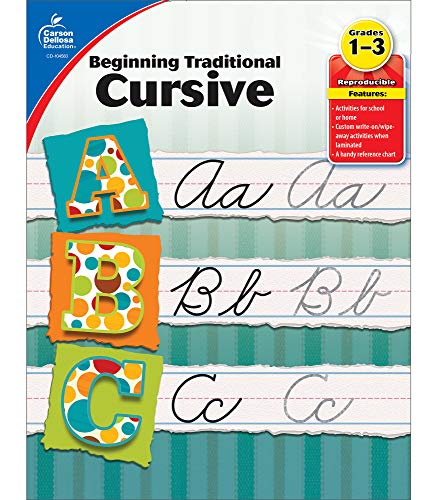
 Carson Dellosa Grades 1-3 Beginning Traditional Cursive Handwriting Workbook, Wr... *
 Human Body Activity Book for Kids: Hands-On Fun for Grades K-3 *
 Homeschooled: A Memoir *
 Raising Boys to Men: A Simple, Mercifully Short Book on Raising and Homeschoolin... *
 The Homeschool Planner: Beautiful and Undated with Monthly Tabs | To Do List, Go... *
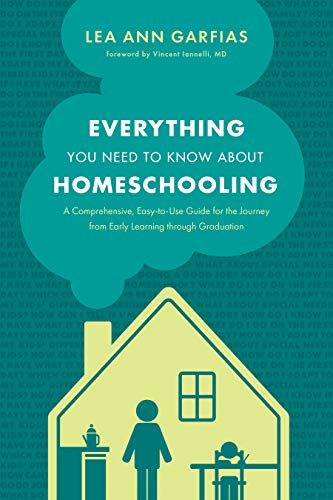
 Everything You Need to Know about Homeschooling: A Comprehensive, Easy-to-Use Gu... *
 Home Learning Year by Year, Revised and Updated: How to Design a Creative and Co... *
 Exploring Nature Activity Book for Kids: 50 Creative Projects to Spark Curiosity... *